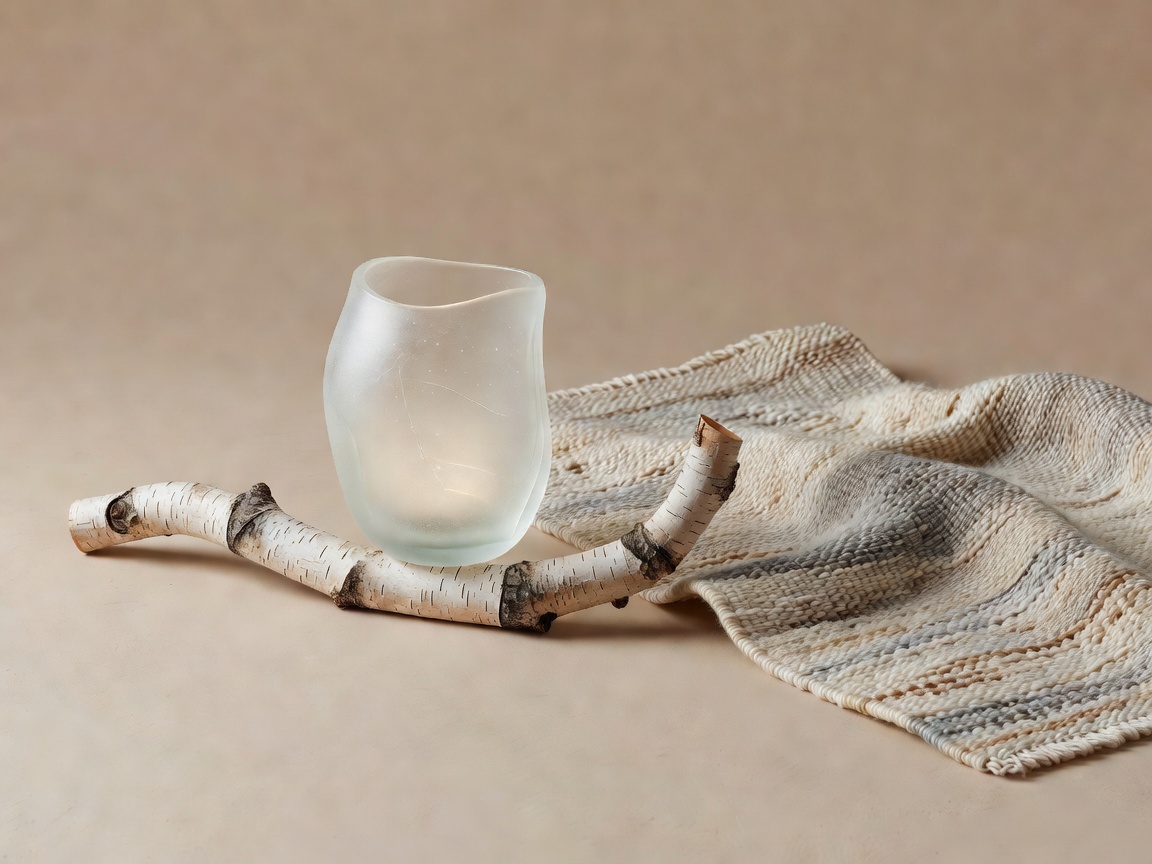
Helsinki belongs in a Nordic design journey without being folded into an interchangeable Scandinavian style. Finnish design has its own institutions, languages, industrial histories and relationships with landscape. Even a familiar material can carry several stories at once: local resource, factory process, export identity and everyday utility. Looking closely means resisting the idea that wood is automatically natural, glass automatically delicate or a simple outline automatically easy to make.
Use the district as a network
Design District Helsinki is best understood as a network of creative businesses and cultural places, not a single building with one opening time. Around Punavuori and neighbouring central streets, select a few stops that genuinely relate to your interests. Ceramics, jewellery, textiles and furniture ask different kinds of attention. A short route with one considered conversation is more revealing than entering every shop that appears on a district map.
Observe the boundary between a working business and a visitor attraction. A small studio may receive people only by appointment; a shop may not have space for a large group. Ask before photographing displays or processes, and accept that some makers are occupied with work rather than interpretation. Buying is optional, but respect is not. If you do purchase, ask about materials, care and production rather than relying on a broad national label.
- Design District Helsinki
- A network and neighbourhood framework for finding creative businesses, rather than one enclosed attraction.
- Artek
- A furniture company and showroom context associated with Finnish modernism, including the work of Alvar and Aino Aalto.
- Architecture and design collections
- A museum context for connecting individual objects to wider histories; confirm current institutional names, venues and displays before visiting.
Compare the object with its presentation
An Artek visit can help connect material experiments to furniture still made and used today. Look at how a curved element repeats, how a piece can be moved or stacked, and what a finish reveals about the underlying material. Do not mistake a contemporary production example for a historic original. The distinction is useful: continued manufacture tells a different story from preservation in a collection.
Marimekko offers another route into everyday design through pattern, textile and the relationship between clothing and interiors. Rather than treating bold print as an isolated visual signature, ask how scale changes its effect. A pattern on a small object behaves differently across a body or a room. Showrooms and shops can make these comparisons tangible, although they remain commercial environments rather than comprehensive historical accounts.
Let the public interior answer back
Oodi, Helsinki's central library, changes the scale from the object held in a hand to the room shared by many people. Look at seating, circulation, sightlines and the variety of activities accommodated inside. A public interior is not simply a photogenic shell: its meaning depends on the people using it. Respect quiet needs and privacy, and check whether a particular service, room or facility requires a reservation.
Amos Rex and the surrounding Lasipalatsi area provide another comparison between cultural interior and urban surface. The museum's relationship with the square makes the transition between above and below especially interesting. Outdoor form does not replace the exhibition experience, and an exhibition visit does not explain every aspect of the public setting. Check the current programme before choosing it as your day's main indoor anchor.
Give materials time to become specific
For a first day, combine one museum or exhibition with a modest design-district route. Keep Oodi and a central architecture walk as a flexible second chapter, especially when weather makes a long outdoor circuit uncomfortable. Helsinki's seasonal light changes the experience of glass, pale surfaces and interiors; it also changes how much walking feels enjoyable. Plan around actual conditions rather than an idealised photograph.
End by naming a material precisely and describing what it did. Was a timber edge warm to the touch where touching was permitted? Did a textile soften a room acoustically? Did glass frame a view or scatter it? These observations turn a recognisable design vocabulary into personal knowledge. They also bring the four-city journey together: objects are not the opposite of places, but one of the clearest ways into them.