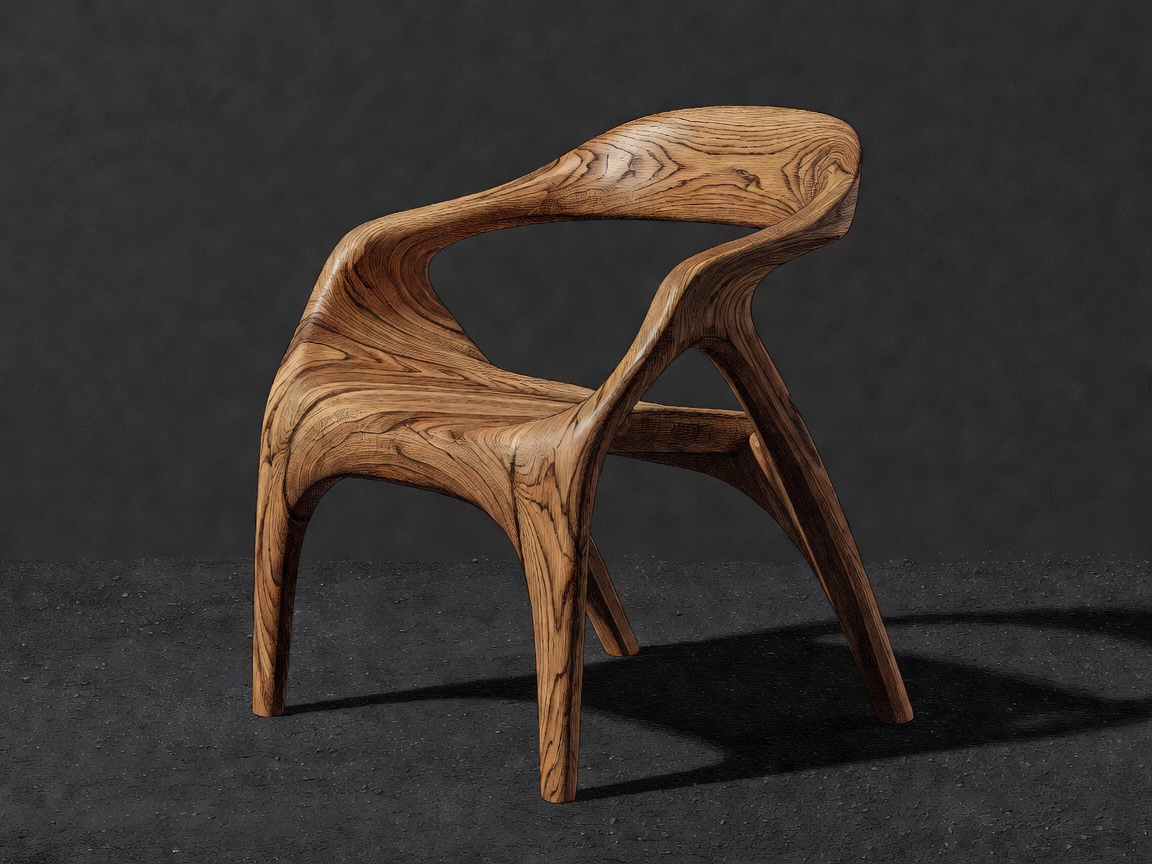
Danish furniture is often introduced through a handful of celebrated names. Hans J. Wegner, Finn Juhl and Arne Jacobsen matter, but a city visit becomes richer when their work opens questions rather than closes them. Was an object developed for a particular building? Does its shape follow an industrial process or a cabinetmaker's skill? What kind of household was expected to use it? Keep one of those questions in mind as you move from a museum to the street.
Begin with a collection, not a purchase
Designmuseum Danmark, on Bredgade, is a useful first anchor. Its wider remit allows furniture to sit within histories of decorative art, materials and production. Do not assume that a famous chair, a particular gallery or a temporary exhibition will be available on your dates. Check the current programme, choose a manageable section and leave enough attention for a second look at something uncelebrated: a handle, a textile or the underside of a seat.
- Designmuseum Danmark
- A museum context for Danish and international design, useful for relating objects to making and use.
- Danish Architecture Center
- A separate architecture institution in BLOX, useful when your question shifts from domestic objects to the city.
- A furniture showroom
- A commercial interior, not a museum. Ask before photographing, and do not assume every display is a historic original.
Bredgade and the surrounding Frederiksstaden streets make a coherent continuation. Galleries, dealers and showrooms reveal how design is presented in the present tense. Compare the language of a collection label with the language of a shop display. One may emphasise provenance; another may emphasise finish, comfort or a contemporary reissue. Neither perspective alone tells the whole story. You can look carefully without buying anything.
Let the neighbourhood change the scale
For a second chapter, take public transport towards Nørrebro rather than stitching distant addresses into an exhausting walk. Around Jægersborggade, smaller shops and food businesses make design part of an occupied street. This is a living neighbourhood, not an open-air exhibition. Keep pavements clear, respect residents and treat workshops or independent interiors as places of work. Opening times can be shorter or less predictable than a major institution's.
Superkilen offers a different reading of the designed environment. The public park brings objects and references from many places into a strongly composed urban landscape. Ask who gets to recognise something familiar there and how the arrangement shapes movement, play and meeting. Its visual identity should not distract from the ordinary uses that make it public. An occupied bench can tell you more than an empty, perfectly framed photograph.
Connect the room to the harbour
If architecture is your strongest interest, build a separate day around the Danish Architecture Center and the harbour rather than adding them to an already full museum route. BLOX places an architecture institution within a larger mixed-use building and a complex piece of waterfront city. Look at thresholds, crossings and shelter. A building's public value is not exhausted by its exterior silhouette; it also depends on how easily people can approach and use it.
A day with room to notice
Start with one museum visit, stop for a proper meal and give the afternoon to its surrounding streets. Save Nørrebro for another half-day if you want to look slowly. Copenhagen's cycle culture is worth observing, but a visitor should not improvise cycling rules or stand in a cycle lane to take a photograph. Walking and public transport are perfectly good ways to read the city.
Finish by choosing one ordinary object you have seen repeatedly: a café chair, a door pull or a street bench. Note where it appeared, how it was maintained and who used it. That small record will connect craft history to the present more effectively than a list of famous names. It also gives you a question to carry onward: does Stockholm make the same everyday object feel different?